Sodium Carboxymethyl Cellulose (CMC), CAS 9004-32-4
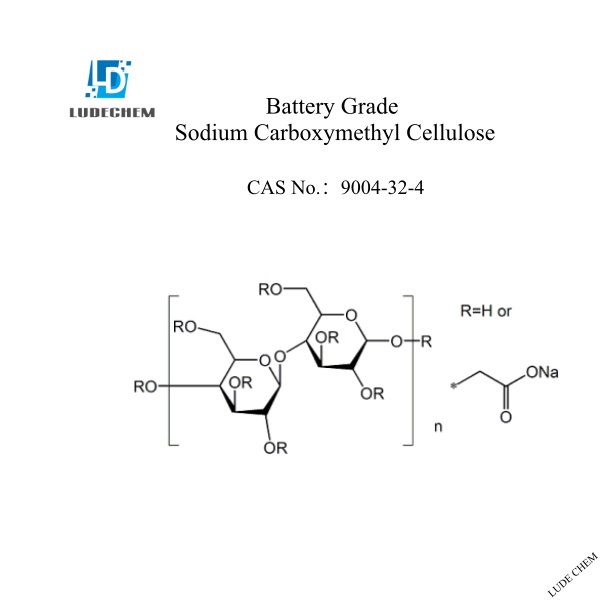
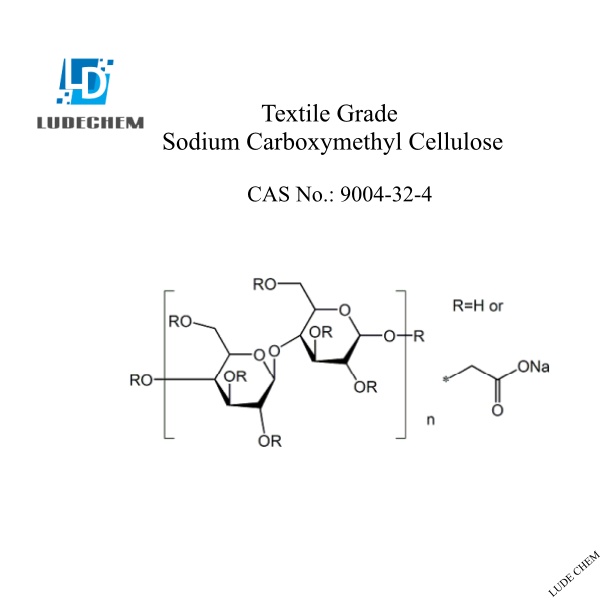
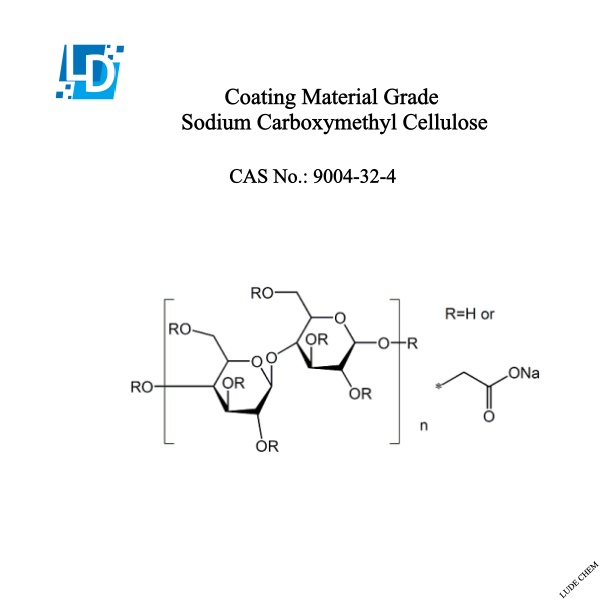
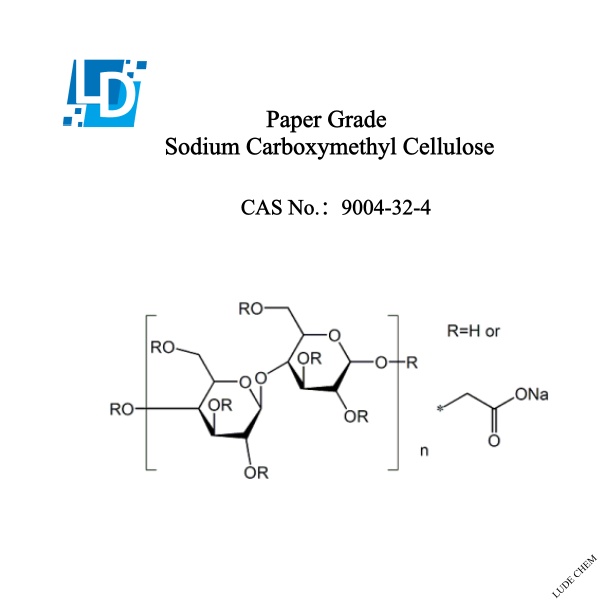
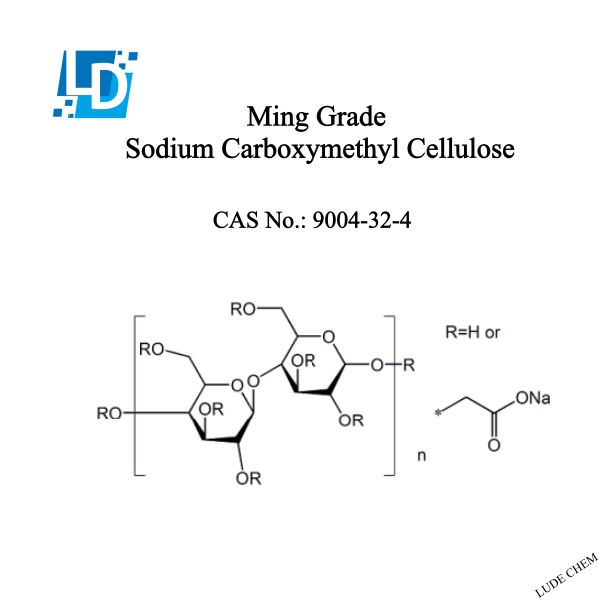
Sodium Carboxymethyl Cellulose (CMC), CAS 9004-32-4, is a water-soluble cellulose ether derived from natural cellulose by introducing carboxymethyl groups and converting the material into its sodium salt. It is also known as Carboxymethyl Cellulose Sodium, Sodium CMC, CMC-Na, Cellulose Gum and Sodium Cellulose Glycolate.
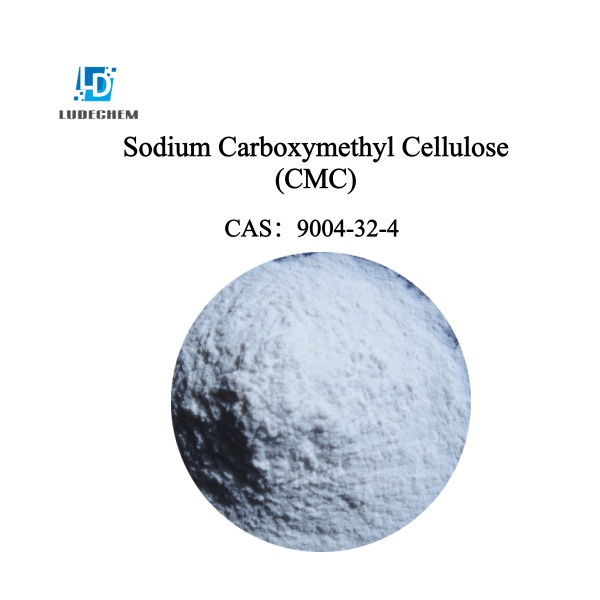
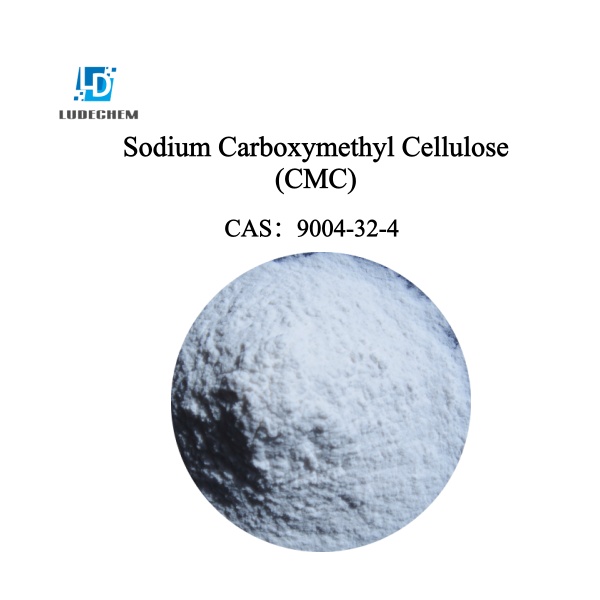
Sodium Carboxymethyl Cellulose is typically supplied as a white to off-white, slightly hygroscopic powder. It produces a viscous colloidal dispersion in water and provides excellent thickening, stabilization, suspension, binding, water retention and rheology control properties. The functional performance of CMC depends mainly on parameters such as degree of substitution, viscosity, purity and particle characteristics.
The degree of substitution and viscosity are important factors when selecting Sodium Carboxymethyl Cellulose for a specific application. Different CMC grades can be developed for low, medium or high viscosity requirements, allowing manufacturers to control solution viscosity, water retention, suspension stability and processing performance.
Sodium Carboxymethyl Cellulose is available in different grades and viscosity levels for different industrial requirements. Food, pharmaceutical and other regulated applications require the corresponding grade and specification to meet the requirements of the intended market and application.
Main Applications
Food and Beverage
Pharmaceuticals
Detergents and Cleaning Products
Paper Industry
Textile Industry
Oilfield and Drilling Fluids
Construction Materials
Paints and Coatings
Adhesives
Ceramics
Personal Care and Cosmetics
Key Functions
Thickener
Stabilizer
Suspending Agent
Binder
Water-Retention Agent
Rheology Modifier
Anti-Redeposition Agent
Film-Forming Agent
Typical Product Properties
Appearance: White to off-white powder
Solubility: Soluble in water and forms a viscous colloidal dispersion
Nature: Water-soluble anionic cellulose ether
CAS No.: 9004-32-4
Food Additive Number: E466 / INS 466
Degree of Substitution: Grade dependent
Viscosity: Grade dependent
Purity: Grade dependent
Particle Size: Grade dependent
Note: CMC is a polymeric material and its molecular weight, viscosity and other specifications vary according to grade and manufacturing process. Final technical specifications should be confirmed according to the applicable COA and TDS. EU specifications for food additive E466 identify CAS 9004-32-4 and specify, among other parameters, an anhydrous-basis assay of not less than 99.5%.
Why Choose Sodium Carboxymethyl Cellulose from Lude Chem
Lude Chem supplies Sodium Carboxymethyl Cellulose CAS 9004-32-4 for different industrial and formulation requirements. Different viscosity, purity and application grades can be selected according to the customer's formulation, application and destination-market requirements.
For bulk purchasing, customers can request the applicable CMC grade, viscosity range, packaging, COA, TDS, SDS, price and delivery information.
Packaging
25kg/bag.
Storage
Store Sodium Carboxymethyl Cellulose in a cool, dry and well-ventilated area. Keep the packaging tightly closed and protect the product from moisture and contamination.
FAQ
What is Sodium Carboxymethyl Cellulose?
Sodium Carboxymethyl Cellulose, commonly called CMC, is a water-soluble anionic cellulose ether derived from cellulose. It is widely used as a thickener, stabilizer, binder, suspending agent and water-retention agent.
What is the CAS number of Sodium Carboxymethyl Cellulose?
The CAS number of Sodium Carboxymethyl Cellulose is 9004-32-4.
Is Sodium Carboxymethyl Cellulose the same as CMC?
Yes. CMC is the common abbreviation for Sodium Carboxymethyl Cellulose. Other names include Carboxymethyl Cellulose Sodium, Sodium CMC, CMC-Na and Cellulose Gum.
What is Sodium Carboxymethyl Cellulose used for?
Sodium Carboxymethyl Cellulose is used in food, pharmaceuticals, detergents, paper, textiles, construction, coatings, adhesives, ceramics, personal care and oilfield drilling fluids. Its specific function depends on the selected grade.
What is E466 CMC?
E466 is the food additive designation for Sodium Carboxymethyl Cellulose, also known as Cellulose Gum. Food-grade CMC is used primarily for thickening, stabilization, texture modification and water retention.
How does CMC viscosity affect its application?
CMC viscosity determines how strongly it increases the viscosity of an aqueous system. Low-viscosity grades are suitable for applications requiring relatively low solution viscosity, while higher-viscosity grades provide stronger thickening, suspension and water-retention effects.
How does degree of substitution affect CMC performance?
Degree of substitution, or DS, describes the average number of carboxymethyl groups introduced per anhydroglucose unit of cellulose. It affects solubility, charge density and the behavior of CMC in aqueous systems. Therefore, DS and viscosity are important parameters when selecting a CMC grade.
What CMC grade should I choose?
The appropriate grade depends on the application, required viscosity, purity, DS, pH, moisture, regulatory requirements and formulation conditions. For food, pharmaceutical, detergent, paper, textile or oilfield applications, customers should provide the intended application and target specification so the suitable grade can be recommended.