I. The Core Essence
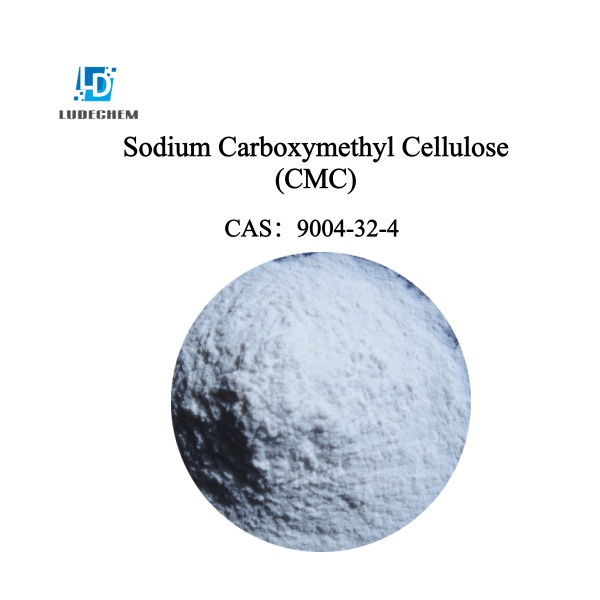
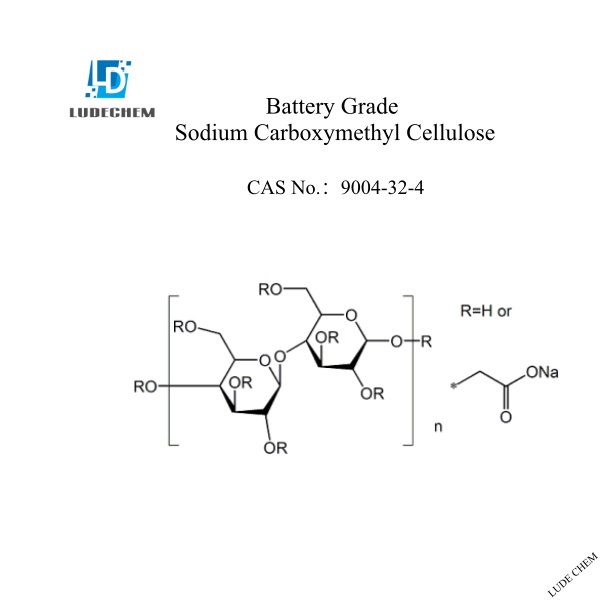
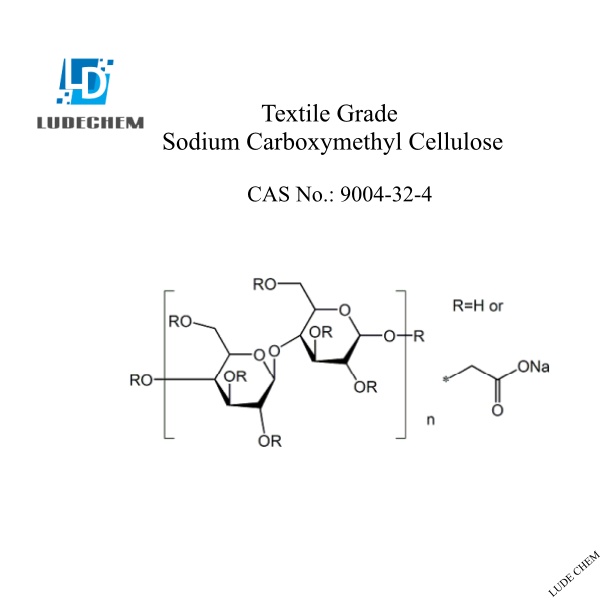
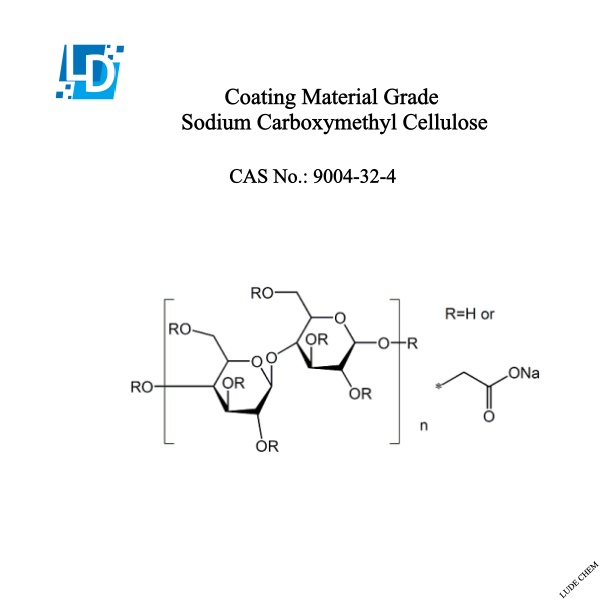
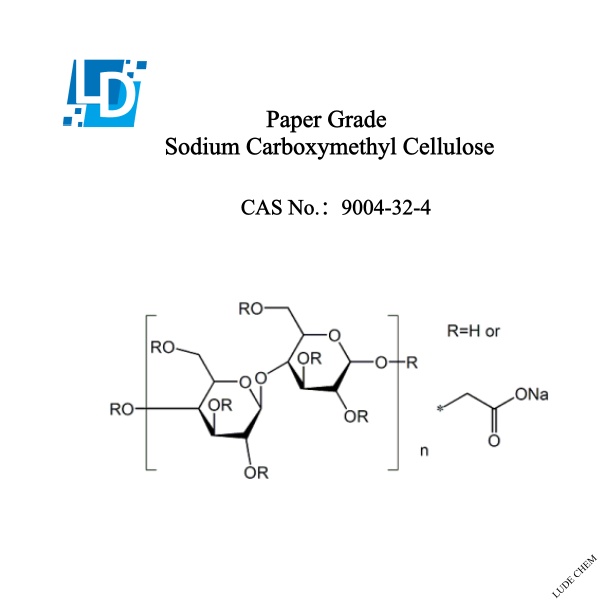
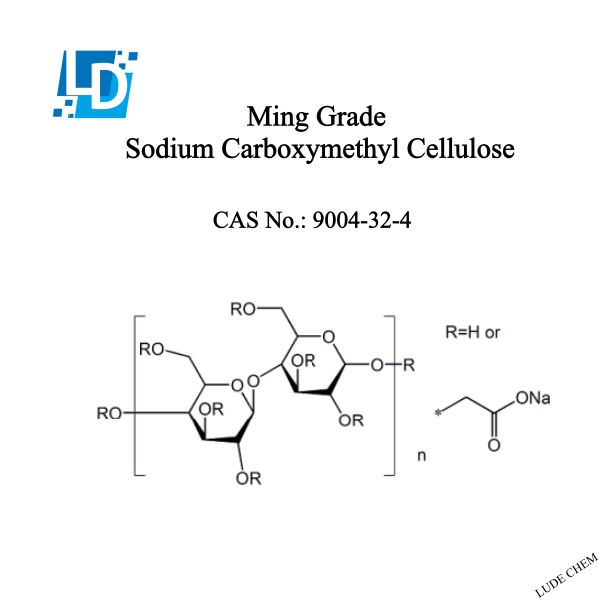
CMC is a water-soluble, anionic polymer. Upon dissolving in water, it forms a viscous colloidal solution that relies on three primary mechanisms to "support, stabilize, and prevent the precipitation" of solid particles.
II. The Three Principles of Suspension
1. Thickening and Network Formation (Physical Support)
When CMC dissolves in water, its long molecular chains uncoil and intertwine, creating a three-dimensional colloidal network structure within the liquid medium.
This acts essentially like a fine, "elastic mesh" woven into the water;
it physically traps pigments, powders, and particles within its interstices, thereby preventing them from sinking or flocculating.
2. Electrostatic Repulsion (Preventing Agglomeration)
CMC molecules carry a negative charge. Upon dissolution, they adsorb onto the surfaces of solid particles,
imparting the same negative charge to all the particles. Since like charges repel:
the particles push one another apart, preventing them from clumping together and growing in size, which in turn makes them less prone to rapid sedimentation.
3. Adsorption and Encapsulation (Steric Hindrance)
The polymeric chains of CMC adsorb onto and encapsulate the surfaces of solid particles,
forming a protective polymeric film.
This film acts as a barrier, preventing contact, adhesion, and clumping between particles,
while simultaneously reducing their sedimentation rate to ensure long-term suspension and prevent phase separation.
III. A One-Sentence Summary
CMC achieves its suspending effect through a triple-action mechanism: network-forming thickening + electrostatic repulsion + adsorption-encapsulation.
This process retards particle sedimentation and prevents agglomeration and clumping, thereby delivering excellent suspension, anti-precipitation, and stratification-stabilizing performance.
IV. Corresponding Practical Applications
Paints & Latex Coatings: Prevents pigment sedimentation and phase separation.
Daily Chemicals (Laundry Detergents): Suspends dirt and grime, preventing redeposition.
Food & Beverages: Suspends fruit pulp and powdered ingredients, preventing them from settling at the bottom.
Ceramic Slurries: Suspends powdered raw materials, ensuring the slurry remains uniform and stable.